Published on January 28, 2025
Ancient Egyptian Fashion's Enduring Legacy: From Museum Collections to Modern Runways
Discover how pleating techniques, collar designs, and color symbolism from pharaonic wardrobes continue to inspire contemporary fashion designers worldwide
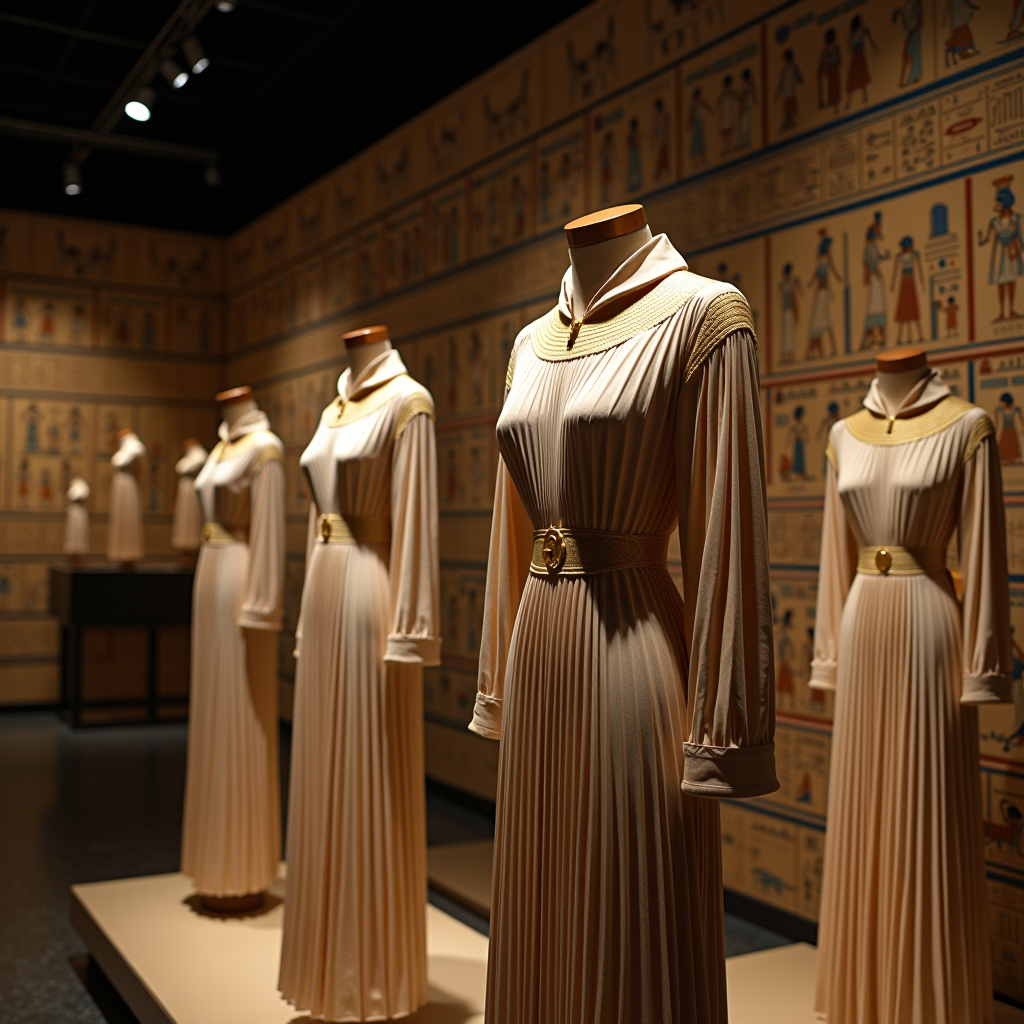
The Timeless Appeal of Pharaonic Fashion
When visitors walk through the hallowed halls of museum Egypt collections, they encounter more than ancient artifacts—they witness the birth of fashion as we know it. The sophisticated garments preserved in these institutions reveal a civilization that understood the power of clothing to communicate status, spirituality, and aesthetic refinement. Today's fashion designers continue to draw inspiration from these millennia-old designs, proving that true style transcends time.
The ancient Egyptians developed textile techniques and design principles that remain remarkably relevant in contemporary fashion. From the precise pleating methods that created movement and dimension in linen garments to the symbolic use of color that conveyed meaning and power, pharaonic fashion was both functional and deeply meaningful. Museums worldwide preserve these treasures, offering designers and fashion historians an invaluable resource for understanding how ancient aesthetics continue to shape modern style.
The influence of ancient Egyptian fashion extends far beyond costume design for historical films. Leading fashion houses regularly reference Egyptian motifs, construction techniques, and silhouettes in their collections. This enduring fascination speaks to the sophistication of Egyptian design principles and their ability to adapt to contemporary tastes while maintaining their distinctive character. When you visit museum exhibitions featuring Egyptian textiles, you're not just looking at the past—you're seeing the foundation of modern fashion innovation.
Understanding this connection between ancient and modern fashion enriches both museum visits and contemporary style appreciation. The garments displayed in climate-controlled cases represent thousands of years of textile innovation, social evolution, and artistic expression. Each piece tells a story about the people who wore it, the craftspeople who created it, and the cultural values it embodied. These stories continue to resonate with designers and fashion enthusiasts today, creating a living dialogue between past and present.
Pleating Perfection: Ancient Techniques in Modern Design
The pleating techniques developed by ancient Egyptian textile workers represent one of the most significant contributions to fashion history. Museum collections showcase garments with hundreds of precisely folded pleats that have maintained their structure for thousands of years. These weren't simple folds—they were sophisticated textile manipulations that required extensive knowledge of fabric behavior, moisture control, and setting techniques. The pleats created movement, added visual interest, and allowed garments to drape elegantly while maintaining their shape.
Contemporary designers have rediscovered these ancient pleating methods, incorporating them into haute couture and ready-to-wear collections. Fashion houses like Issey Miyake have built entire design philosophies around pleating, though their techniques differ from ancient methods. The Egyptian approach involved dampening linen fabric, creating precise folds, and allowing the material to dry in position—a labor-intensive process that produced remarkably durable results. Modern designers often use heat-setting with synthetic fabrics, but the visual effect and the principle of creating dimension through folding remain the same.
Museum exhibitions frequently display examples of different pleating styles used throughout Egyptian history. The fine, narrow pleats of Old Kingdom garments differ significantly from the broader, more dramatic pleats popular during the New Kingdom. These variations demonstrate how fashion evolved in ancient Egypt, responding to changing tastes and technological advances. Contemporary designers study these differences, drawing inspiration from specific periods or combining elements from multiple eras to create innovative designs that honor their ancient origins while feeling thoroughly modern.
The practical benefits of pleating also appeal to modern designers. Pleated garments pack efficiently, resist wrinkles, and create flattering silhouettes that accommodate movement. Ancient Egyptians understood these advantages thousands of years ago, creating garments that were both beautiful and functional. Today's fashion industry continues to value these same qualities, particularly in travel wear and performance fabrics. The connection between ancient innovation and contemporary needs demonstrates how fundamental design principles transcend cultural and temporal boundaries.
Collar Designs: From Pharaonic Splendor to Runway Statements
The broad collar, or wesekh, stands as one of ancient Egypt's most iconic fashion elements. These elaborate necklaces featured multiple rows of beads, precious stones, and metalwork arranged in semicircular patterns that covered the chest and shoulders. Museum collections preserve stunning examples of these collars, showcasing the incredible craftsmanship and artistic vision of ancient jewelers. The designs ranged from relatively simple arrangements to extraordinarily complex pieces featuring thousands of individual elements, each carefully selected and positioned to create harmonious patterns.
Contemporary jewelry designers and fashion houses regularly reference Egyptian collar designs in their collections. The broad collar's distinctive shape—wide at the shoulders and narrowing toward the center—creates a powerful visual statement that frames the face and draws attention to the wearer. Modern interpretations range from faithful reproductions using traditional materials to abstract designs that capture the collar's essential geometry while incorporating contemporary materials and techniques. High-fashion runways frequently feature collar-inspired pieces that demonstrate how ancient design principles can be reinterpreted for modern audiences.
The symbolism embedded in Egyptian collar designs adds depth to their modern interpretations. Different materials and colors carried specific meanings in ancient Egypt—gold represented the sun and divine power, turquoise symbolized joy and fertility, and carnelian offered protection. Contemporary designers sometimes incorporate these symbolic associations into their work, creating pieces that resonate on multiple levels. Even when modern audiences don't consciously recognize these ancient meanings, the visual impact of collar-inspired jewelry creates a sense of significance and ceremony that echoes its pharaonic origins.
Museum exhibitions often display collars alongside the garments they complemented, helping visitors understand how these pieces functioned within complete ensembles. The simple white linen garments worn by ancient Egyptians provided a perfect canvas for elaborate jewelry, creating a balanced aesthetic that combined restraint and opulence. This principle of pairing simple clothing with statement jewelry remains influential in contemporary fashion, where minimalist garments often serve as backdrops for bold accessories. The ancient Egyptian approach to accessorizing continues to inform modern styling choices, demonstrating the enduring relevance of pharaonic fashion wisdom.
Color Symbolism: Ancient Meanings in Contemporary Palettes
Color held profound significance in ancient Egyptian culture, and this symbolic system extended deeply into fashion choices. White linen dominated everyday wear, representing purity and simplicity, while specific colors appeared in ceremonial contexts and decorative elements. Museum collections preserve examples of colored textiles and dyed garments that reveal the sophisticated understanding ancient Egyptians had of color psychology and symbolism. Red signified life and victory, blue connected to the heavens and the Nile, green represented regeneration and growth, and yellow embodied the eternal and imperishable nature of gold.
Contemporary designers draw inspiration from Egyptian color symbolism when creating collections that reference ancient themes. The rich palette of Egyptian art—deep blues, vibrant greens, warm golds, and striking reds—appears regularly in fashion collections that evoke pharaonic splendor. Some designers research the specific pigments and dyes used in ancient Egypt, attempting to recreate authentic colors in modern fabrics. Others take a more interpretive approach, using the emotional resonance of Egyptian color associations to inform their palette choices without strict historical accuracy.
The technical achievement of ancient Egyptian dyers deserves recognition alongside their symbolic color use. Creating permanent, vibrant colors in natural fibers required extensive knowledge of plant materials, mineral compounds, and chemical processes. Museum conservators study ancient textiles to understand these techniques, sometimes discovering methods that have been lost to history. This research benefits both historical understanding and contemporary textile innovation, as modern designers seek sustainable, natural dyeing methods that echo ancient practices while meeting current environmental standards.
The predominance of white in ancient Egyptian fashion also influences modern design. The clean, minimalist aesthetic of white linen garments appeals to contemporary sensibilities that value simplicity and versatility. Fashion collections inspired by Egyptian style often feature predominantly white or neutral palettes accented with bold colors in accessories or decorative elements. This approach mirrors the ancient Egyptian practice of using simple garments as canvases for elaborate jewelry and colored accessories, creating a timeless aesthetic that works across millennia.
Museum Exhibitions Bridging Ancient and Modern Fashion
Museums worldwide have recognized the connection between ancient Egyptian fashion and contemporary design, creating exhibitions that explicitly explore these relationships. When you visit museum shows dedicated to Egyptian textiles and fashion, you often encounter displays that juxtapose ancient garments with modern pieces inspired by them. These exhibitions help visitors understand how designers translate ancient techniques and aesthetics into contemporary contexts, making the connection between past and present tangible and immediate.
Major institutions have mounted groundbreaking exhibitions examining Egyptian fashion's influence on modern design. The Metropolitan Museum of Art, the British Museum, and specialized textile museums have all created shows that trace specific design elements from ancient Egypt through fashion history to contemporary runways. These exhibitions often feature loans from fashion houses' archives, demonstrating how designers have repeatedly returned to Egyptian motifs and techniques throughout the twentieth and twenty-first centuries. The recurring nature of this inspiration suggests that Egyptian fashion elements possess qualities that resonate across cultural and temporal boundaries.
Educational programs accompanying these exhibitions provide deeper insights into the technical and cultural aspects of Egyptian fashion. Workshops might demonstrate ancient pleating techniques or jewelry-making methods, allowing participants to experience firsthand the skill required to create these garments and accessories. Lectures by fashion historians and contemporary designers explore how ancient Egyptian aesthetics continue to influence modern style, offering perspectives that enrich both museum visits and fashion appreciation. These programs make the connection between ancient and modern fashion accessible to diverse audiences, from fashion students to casual museum visitors.
Digital initiatives have expanded access to museum collections of Egyptian fashion, allowing people worldwide to study these garments in detail. High-resolution photography, 3D modeling, and virtual exhibitions enable designers and researchers to examine ancient textiles without traveling to specific museums. This democratization of access has accelerated the exchange of ideas between ancient and modern fashion, as designers anywhere can now study museum collections and incorporate Egyptian elements into their work. The digital age has made ancient Egyptian fashion more influential than ever, as its accessibility continues to grow.
Current Trends: Egyptian Influence on Today's Fashion
The fashion industry's current fascination with ancient Egyptian aesthetics manifests in multiple ways across different market segments. High-fashion runways regularly feature collections that explicitly reference Egyptian design elements, from pleated evening gowns that echo ancient silhouettes to jewelry pieces inspired by pharaonic collars. These high-profile presentations influence broader fashion trends, as elements from couture collections filter down to ready-to-wear lines and eventually to mass-market fashion. The cycle of inspiration from museum Egypt collections to runway to retail demonstrates how ancient design continues to shape contemporary style.
Specific trends reflect Egyptian influence in subtle and overt ways. The popularity of metallic fabrics and gold accents echoes the ancient Egyptian love of gold and its symbolic associations. Geometric patterns inspired by Egyptian art appear in prints and textile designs. Draped silhouettes that recall ancient garment construction methods offer alternatives to structured Western tailoring. Even the current interest in sustainable, natural fibers connects to ancient Egyptian textile practices, as designers seek to recreate the durability and comfort of linen garments that have survived for millennia.
Jewelry design shows particularly strong Egyptian influence, with collar necklaces, cuff bracelets, and elaborate earrings appearing regularly in contemporary collections. These pieces often combine ancient design principles with modern materials and manufacturing techniques, creating accessories that feel both timeless and contemporary. The bold, geometric nature of Egyptian jewelry appeals to current aesthetic preferences for statement pieces that make strong visual impacts. Designers appreciate how Egyptian jewelry designs work with both minimalist and maximalist styling approaches, offering versatility that suits diverse fashion sensibilities.
The influence extends beyond specific garments and accessories to broader aesthetic principles. The ancient Egyptian approach to fashion—combining simple, well-constructed garments with carefully chosen accessories—resonates with contemporary values around sustainable fashion and capsule wardrobes. The emphasis on quality materials, expert craftsmanship, and timeless design rather than rapid trend cycles aligns with current movements toward more thoughtful consumption. In this way, ancient Egyptian fashion philosophy offers not just visual inspiration but also a model for approaching clothing and personal style that feels increasingly relevant in our current moment.
Preserving and Studying Ancient Fashion for Future Inspiration
The ongoing preservation of ancient Egyptian textiles in museum collections ensures that future generations of designers will continue to have access to these inspirational sources. Conservation work on ancient garments requires specialized expertise and careful attention to environmental conditions, as textiles are among the most fragile artifacts. Museums invest significant resources in maintaining optimal storage conditions and developing conservation techniques that protect these precious objects while allowing them to be studied and displayed. This preservation work serves not just historical scholarship but also the future of fashion design.
Research into ancient Egyptian fashion continues to yield new discoveries that inform both historical understanding and contemporary design. Archaeological excavations occasionally uncover new textile fragments or complete garments that expand our knowledge of ancient fashion practices. Scientific analysis of existing museum collections using modern technology reveals details about construction techniques, dye sources, and fabric composition that weren't previously understood. These discoveries often inspire new approaches to contemporary textile design, as modern designers learn from ancient innovations.
Collaboration between museums, fashion schools, and design houses creates opportunities for deep engagement with ancient Egyptian fashion. Some institutions offer residency programs that allow designers to study museum collections intensively, developing new work inspired by ancient pieces. Fashion schools incorporate visits to museum Egypt exhibitions into their curricula, ensuring that emerging designers understand the historical foundations of contemporary fashion. These educational initiatives strengthen the connection between ancient and modern fashion, ensuring that Egyptian design principles continue to influence future generations of designers.
The future of Egyptian fashion influence looks bright as interest in historical design sources continues to grow. As the fashion industry grapples with questions of sustainability, craftsmanship, and meaningful design, ancient Egyptian fashion offers valuable lessons. The durability of garments that have survived thousands of years, the sophisticated techniques that created beauty without waste, and the symbolic depth that gave clothing meaning beyond mere appearance—all these aspects of ancient Egyptian fashion speak to contemporary concerns. Museums preserving these collections serve not just as guardians of the past but as resources for building a more thoughtful fashion future.
Conclusion: A Living Legacy
The enduring influence of ancient Egyptian fashion on contemporary design demonstrates the timeless nature of truly innovative aesthetics. When you visit museum collections featuring Egyptian textiles and jewelry, you're not just observing historical artifacts—you're witnessing the foundation of modern fashion principles. The pleating techniques, collar designs, and color symbolism developed thousands of years ago continue to inspire designers today, proving that great design transcends temporal boundaries.
Museums play a crucial role in maintaining this connection between ancient and modern fashion. By preserving these precious garments and making them accessible to designers, researchers, and the public, institutions ensure that ancient Egyptian fashion wisdom continues to inform contemporary style. The dialogue between past and present enriches both historical understanding and modern creativity, creating a living legacy that benefits everyone interested in fashion, design, and cultural history.
As fashion continues to evolve, the influence of ancient Egyptian design will undoubtedly persist. The fundamental principles of craftsmanship, symbolic meaning, and aesthetic sophistication that characterized pharaonic fashion remain relevant to contemporary designers seeking to create clothing that transcends fleeting trends. Whether you're a fashion professional, a museum enthusiast, or simply someone who appreciates beautiful design, exploring the connection between ancient Egyptian fashion and modern style offers insights that deepen your understanding of both. The next time you visit museum exhibitions featuring Egyptian textiles, remember that you're not just looking at the past—you're seeing the future of fashion taking shape.